 admin
admin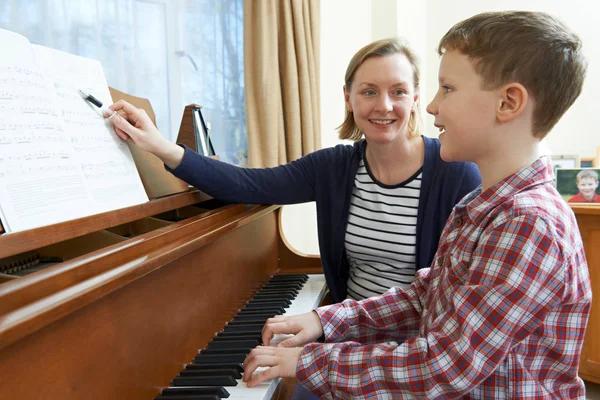
Learning to play the piano at home is not just a fun and engaging activity; it also offers numerous benefits that support academic development at any age. Whether you are a child, teenager, or adult, home piano lessons can significantly enhance your cognitive abilities, critical thinking skills, and overall intellectual growth.
The most obvious advantage of learning to play the piano is its direct impact on cognitive development. Playing the piano requires both sides of the brain to work simultaneously as one hand plays rhythm while the other plays melody. This bilateral coordination enhances neural connections between the left and right hemispheres of the brain, promoting better problem-solving skills, improved memory recall, and increased creativity – all vital for academic success.
Furthermore, mastering a musical instrument like the piano involves understanding complex concepts such as reading sheet music and recognizing patterns. These tasks demand high levels of concentration that can translate into improved focus in an academic setting. For children who struggle with attention span issues or adults grappling with maintaining concentration over extended periods, practicing piano can be an effective way to boost their ability to stay focused.
Moreover, playing the piano teaches discipline and patience – two valuable life skills that have read more significant implications for academic performance. Learning how to play takes time; it’s not something one can master overnight. Regular practice sessions instill discipline in learners as they must dedicate consistent time towards improving their skill set. This discipline often translates well into other areas such as studying for exams or completing assignments punctually.
In addition to these cognitive benefits, learning how to play the piano also helps build emotional intelligence by fostering self-expression. It provides an outlet for expressing emotions creatively which aids in developing empathy – a skill highly valued in today’s interconnected world where understanding different perspectives is crucial.
Lastly but importantly is confidence building – performing even simple pieces successfully boosts self-esteem which spills over into other aspects of life including academics where confidence plays a crucial role in participation and presentation activities.
To conclude: Home Piano lessons not only provide a source of enjoyment and self-expression, but they also offer a range of cognitive and emotional benefits that support academic development. Regardless of age, mastering this instrument can enhance focus, discipline, creativity, memory recall, problem-solving skills, emotional intelligence and confidence – all key factors in achieving academic success. Therefore it’s never too late to start learning the piano; you might just be setting yourself up for greater academic achievements.